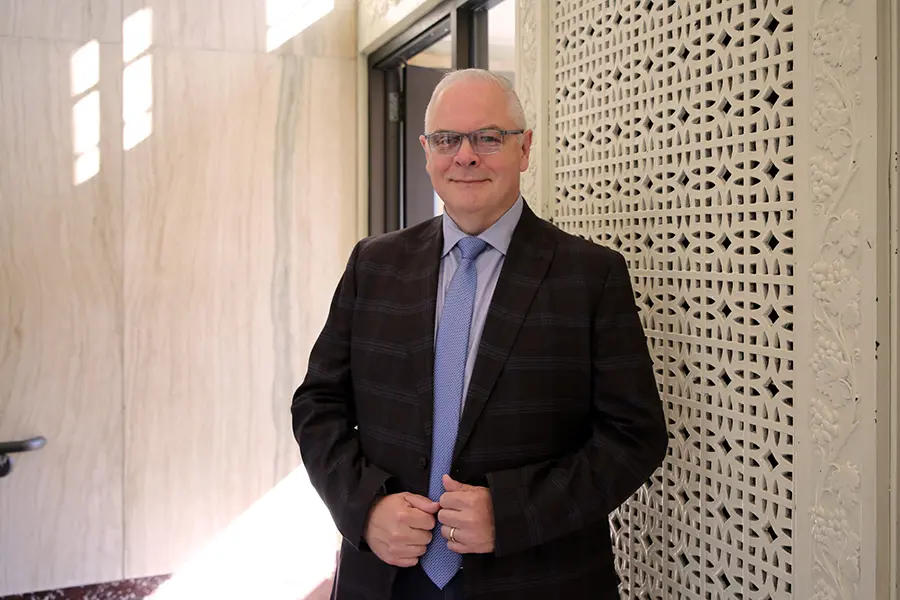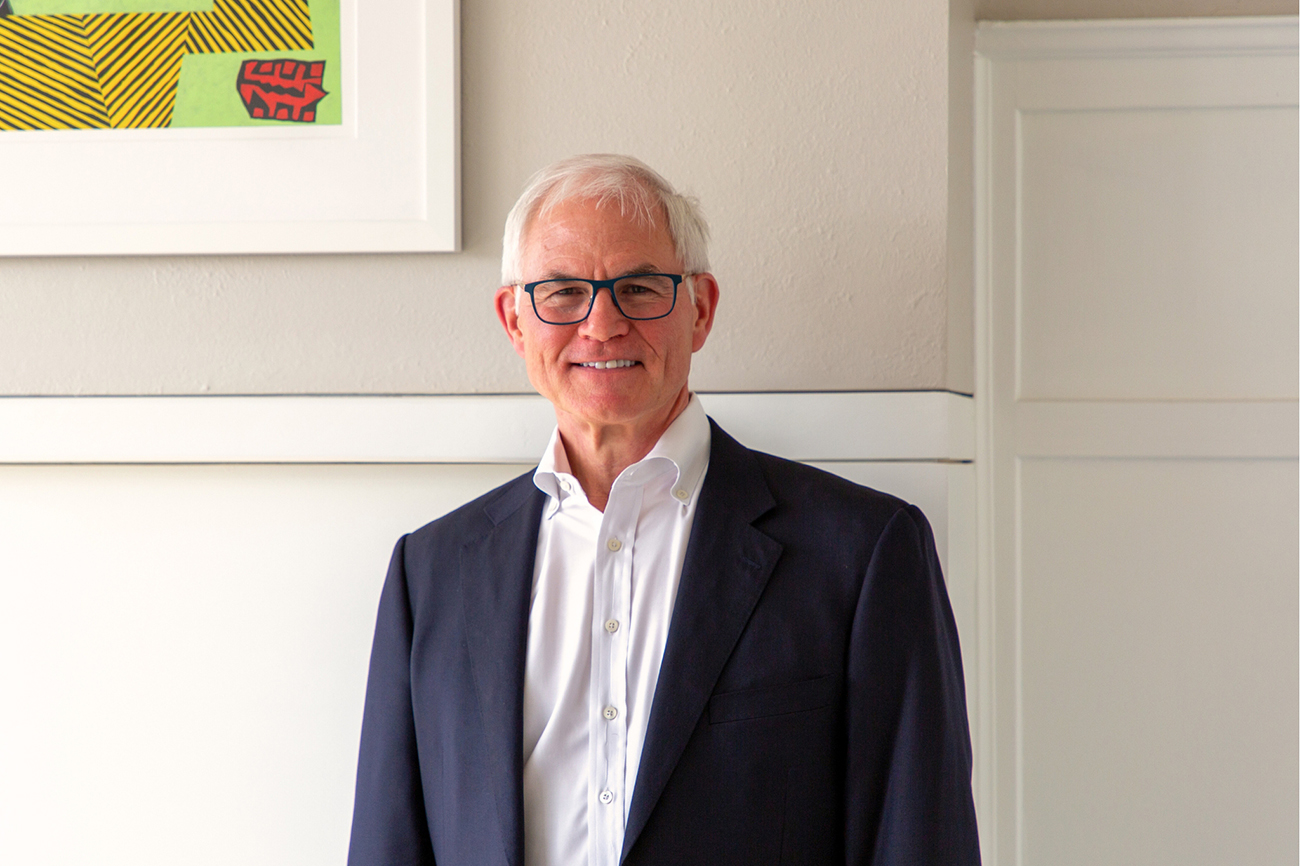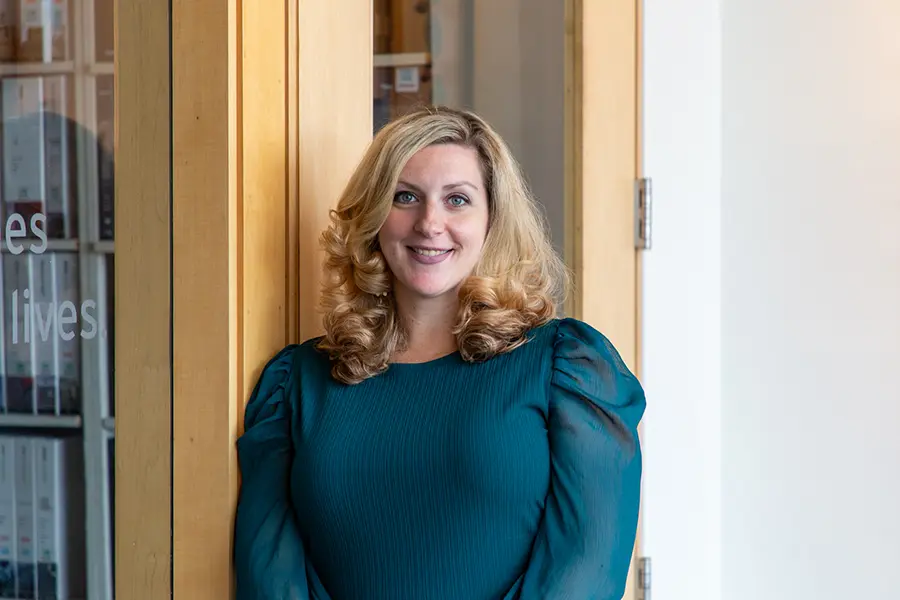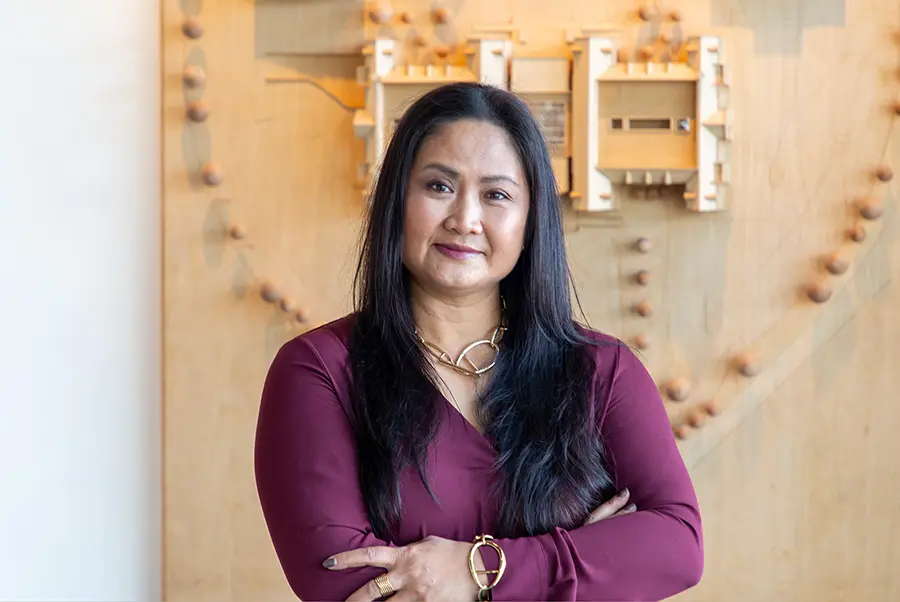
Bryan Wahl and Hayden Erdman
Healthcare facilities are often described as buildings, systems, or programs. In reality, they behave more like complex organisms shaped by mission, culture, patient needs, and, most importantly, the people who bring them to life every day. Successful design is rarely about producing an isolated architectural solution. It is about creating an environment that quietly supports care delivery from day one and continues to adapt as medicine, staffing models, and technology evolve.
This is why healthcare design must extend beyond shaping the physical environment and instead embrace a role of authorship, interpretation, and true partnership. The role of the architect is not simply to interpret a program, but to bridge the gap between clinical workflow and the built environment by translating operational realities into spatial clarity. That translation cannot happen without meaningful engagement from the people who use these spaces every day.
Designing for the DNA for Healthcare Systems
No two healthcare systems operate the same way. Each has its own DNA shaped by patient populations, staffing models, and organizational priorities. These conditions cannot be fully understood through benchmarks or precedent alone. They must be uncovered through early and continuous engagement with physicians, nurses, technicians, and administrators who understand care delivery at a granular level. Without that input, design risks default to familiar solutions that may look successful on paper but fail to support real life operations.
Engaging all stakeholders early establishes a shared understanding of what success looks like. Engagement aligns clinical priorities, financial realities, and experiential goals before decisions become difficult to change. Just as importantly, it ensures that design is grounded in how care is delivered, not how the outcomes are assumed to work. The next step is to carry that engagement forward. Not as a one-time exercise, but as an ongoing process of validation.
As design moves forward, user engagement evolves from collecting input to guiding decisions. The architects role expands to include facilitating. We need to bring the right voices into the conversation at the right time, testing ideas against lived experience, and translating feedback into clear, actionable design solutions. This is where projects either gain momentum or lose alignment. Continuous, structured engagement ensures that design reflects operational intent while avoiding unnecessary noise or rework.
Importantly, engagement is not about collecting unlimited input; it is about creating ownership. When users see their experiences shaping the environment, they begin to trust the process and invest in the outcome. That ownership reduces friction during implementation and builds confidence across the project team. The next step is reinforcing by demonstrating how feedback is considered, where it is integrated, and how decisions take shape throughout the process.
As the project moves into documentation and construction, engagement becomes even more critical. This is when ideas are tested against reality. New constraints emerge, conditions shift, and operational needs evolve. Maintaining a clear framework for user input allows teams to respond to change without compromising the integrity of the design. The goal is not to eliminate change, but to manage it deliberately, ensuring that decisions remain aligned with the original vision while adapting to new information.
Throughout this process, the throughline is clear: engagement is what transforms design from a static product into a dynamic, high-performing environment. It is what connects clinical intent to physical space, ensuring that buildings do not just look resolved, but function intuitively and support care at every level.
When this happens, the results are tangible. Staff move more efficiently, experience less cognitive strain, and deliver care with greater confidence. Patients and families experience environments that feel calmer and more supportive. Administrators see alignment between capital investment and operational performance.
Perhaps most importantly, users begin to see themselves in their space. And when people see their fingerprints in space, pride follows. The building is no longer just a facility as it becomes a true asset, not only in how it performs, but in how it is valued and cared for over time.
A Few Case Studies
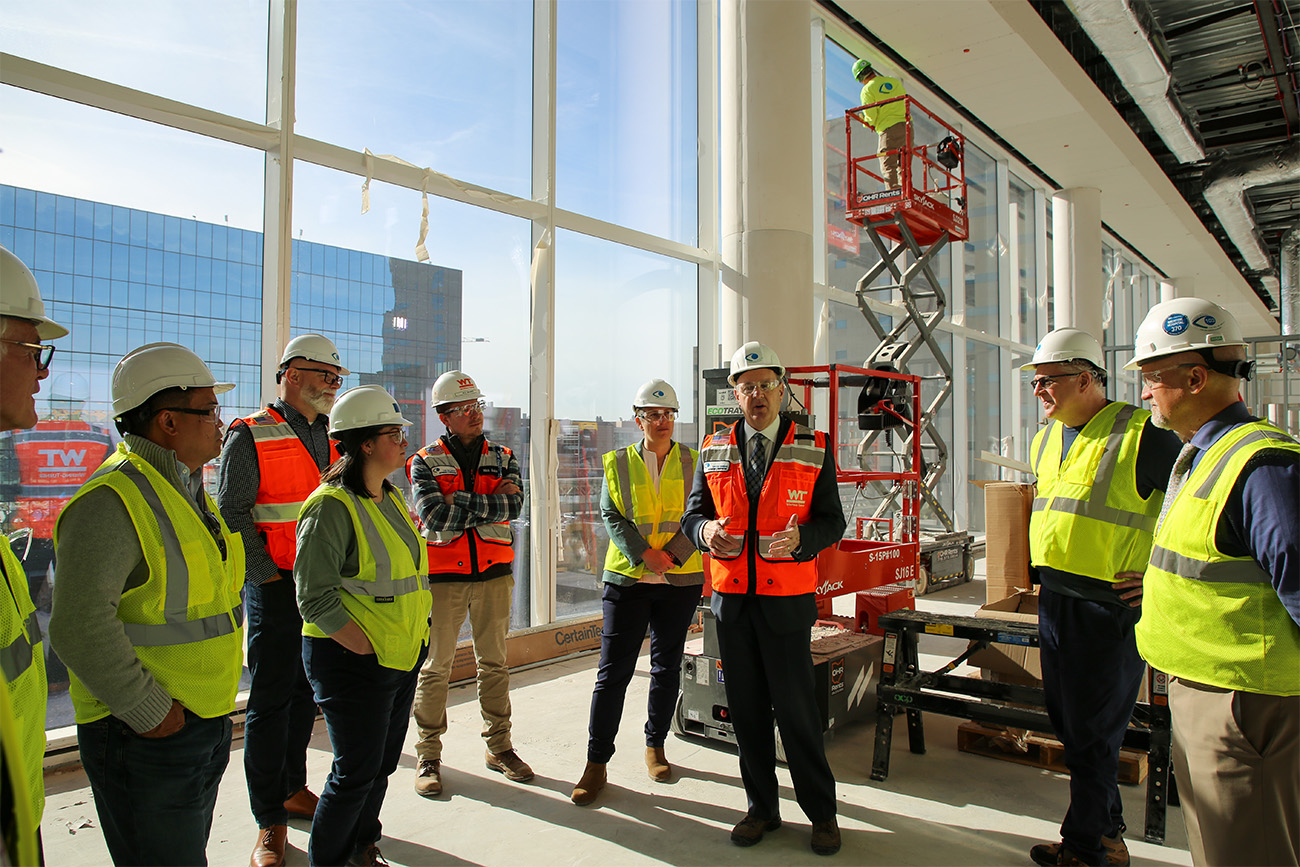
In integrated practice environments such as the Cole Eye Institute, early engagement with key users allowed the design team to vet concepts before broader rollout. By the time more user groups were engaged, the foundational ideas had already been tested, refined, and aligned with operational goals. This built credibility and opened the door to deeper, more honest conversations.
The progression from smaller renovations to larger, more complex phases reinforced consistency while respecting regional and operational differences. Continual reference to project mission and goals and weekly user engagement from validation through construction, kept the project grounded even as complexity increased.
Complementary approaches, such as open-house feedback sessions with patient advocacy groups at institutions like Emory, expanded the lens further. While broad input can be overwhelming, an expert design team filters feedback responsibly, returning with clear recommendations that demonstrate listening without sacrificing clarity.
At its core, healthcare architecture is a bridge connecting clinical reality with design intent, and technical rigor with human experience. As healthcare continues to evolve, the environments that support it must evolve as well. The future will belong to teams that do not design for clinicians, but with them continuously engaging, validating, and refining until the space reflects the people it was built to serve.